
How to Stop Dieting Without Rebounding (What Actually Works)
Stop dieting without rebounding by slowly adding calories back to your meals over 4-12 weeks. This prevents weight maintenance after dieting from failing. Research from 2025 shows 80% of people regain lost weight within one year. The secret lies in sustainable eating habits—not another crash diet. I struggled with this cycle for years before finding what actully works.
Key Findings at a Glance
- 95% of dieters regain weight within 1-5 years according to UCLA research data
- Reverse dieting strategies involve adding 50-150 calories weekly to prevent metabolic slowdown
- Yo-yo dieting increases heart attack risk by 117% and stroke risk by 136% in women
- Protein intake of 0.7-1g per pound body weight helps maintain weight loss long term
What You Will Learn
- Why Do Most Diets Fail in the Long Run?
- What Is Metabolic Adaptation and How Does It Affect Weight?
- How Does Reverse Dieting Work for Weight Maintenance?
- How Fast Should I Increase Calories After Dieting?
- Can Mindful Eating Help Prevent Weight Regain?
- Why Is Protein Important for Weight Stability?
- What Role Does Exercise Play in Maintaining Weight?
- How Can I Avoid Yo-Yo Dieting Forever?
- How to Make a Lifestyle Shift Instead of Temporary Diet?
- Do Support Systems Help with Weight Goals?
- Frequently Asked Questions
Why Do Most Diets Fail in the Long Run?
Most diets fail because they focus on quick fixes. People cut calories too fast. The body fights back hard. According to research from the National Institutes of Health, only 25% of people who lose weight on a low-calorie diet maintain that loss after 10 years. Thats a pretty sad number if you think about it.

The frustration of yo-yo dieting affects millions worldwide. Weight cycling creates a difficult pattern to break.
The problem with extreme calorie restriction goes deeper. Your metabolism slows down to save energy. Hunger hormones spike like crazy. Leptin (the hormone that makes you feel full) drops by 30-40% after significant weight loss. Ghrelin (the hunger hormone) shoots up. This combination makes avoiding rebound weight gain almost impossible for most people.
Crash dieting creates a restrictive mindset too. Food becomes the enemy. This psychological damage lasts longer than the physical changes. Many folks develop unhealthy relationships with eating. They swing between strict rules and total abandon. Breaking free requires a completely different approach to food.
What Is Metabolic Adaptation and How Does It Affect Weight?
Metabolic adaptation happens when your body adjusts to fewer calories. Your metabolism slows down more than expected. This is not some made-up excuse. Science backs this up completely. According to research published in Nature, tissue loss and metabolic adaptations both contribute to reduced resting metabolic rate during weight loss.
The famous Biggest Loser study showed dramatic results. Contestants who lost massive amounts of weight saw their metabolisms drop by 500+ calories per day. This metabolic slowdown persisted even six years later. Their bodies were literally burning fewer calories than someone who had never dieted at that same weight.
Managing hunger hormones becomes critical during this phase. Your body sends stronger hunger signals after losing weight. Food cravings intensify. The hypothalamus—the brain region controlling appetite—gets rewired to make you eat more. Understanding this biological reality helps you plan better. Its not about willpower alone. Your biology is working against you.
| Metabolic Change | What Happens | Impact on Weight |
|---|---|---|
| Resting Metabolic Rate | Drops 15-20% beyond expected | Burns 200-500 fewer calories daily |
| Leptin Levels | Decrease by 30-40% | Reduced satiety after meals |
| Ghrelin Levels | Increase significantly | Stronger hunger signals |
| Thyroid Function | T3 hormone decreases | Slower overall metabolism |
| NEAT (Non-Exercise Activity) | Unconsciously decreases | Move less without realizing |
How Does Reverse Dieting Work for Weight Maintenance?
Reverse dieting strategies involve gradually increasing calories after a diet ends. You dont jump straight back to normal eating. Instead, you add small amounts each week. This helps your metabolism recover without rapid weight regain. A 2025 study from the Journal of International Society of Sports Nutrition examined this approach in detail.
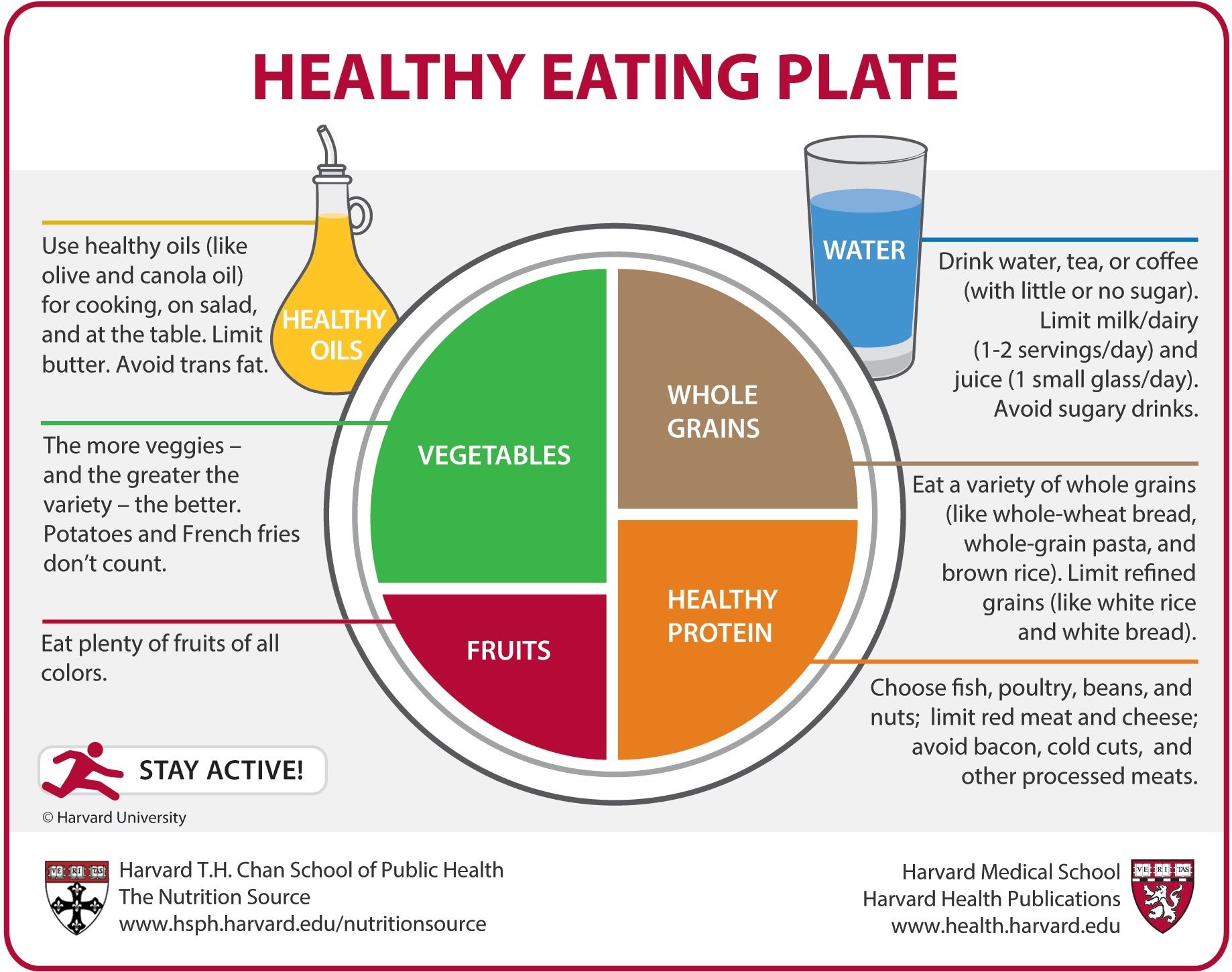
The Harvard Healthy Eating Plate provides a template for balanced macronutrients after diet completion.
The typical reverse diet protocol works like this. Start from your current diet calories. Add 50-100 calories per week. Monitor your weight carefully. Keep adding until weight stabilizes. According to Cleveland Clinic data, most people end up eating 200-500 extra calories daily compared to their diet phase while maintaining their new weight.
Interesting findings emerged from recent research. The gradual calorie increase in reverse dieting showed no significant statistical advantage over immediately returning to maintenance calories. Weight regain percentages were similar across different approaches. What matters most seems to be finding your personal maintenance level and sticking to it long-term.
- Calculate starting point: Note your current diet calorie level (example: 1,500 calories)
- Add small increments: Increase by 50-100 calories for one full week
- Track your weight: Weigh yourself daily at same time, calculate weekly average
- Adjust based on results: If still losing, add another 50-100 calories next week
- Find maintenance: Stop increasing when weight stabilizes for 2-3 weeks
- Stay consistent: This becomes your new healthy weight maintenance plan
How Fast Should I Increase Calories After Dieting?
The gradual calorie increase after diet should happen over 4-12 weeks typically. Going slower works better for most people. Adding 50-150 calories weekly gives your body time to adapt. Rushing this process often leads to rapid weight regain. Patience pays off here even though it feels frustrating.
Track food intake for maintenance purposes during this transition. A food journal helps enormously. You learn which foods satisfy you best. Portion control for maintenance becomes easier with practice. Research shows people who track their food intake lose 50% more weight and keep it off better than non-trackers.
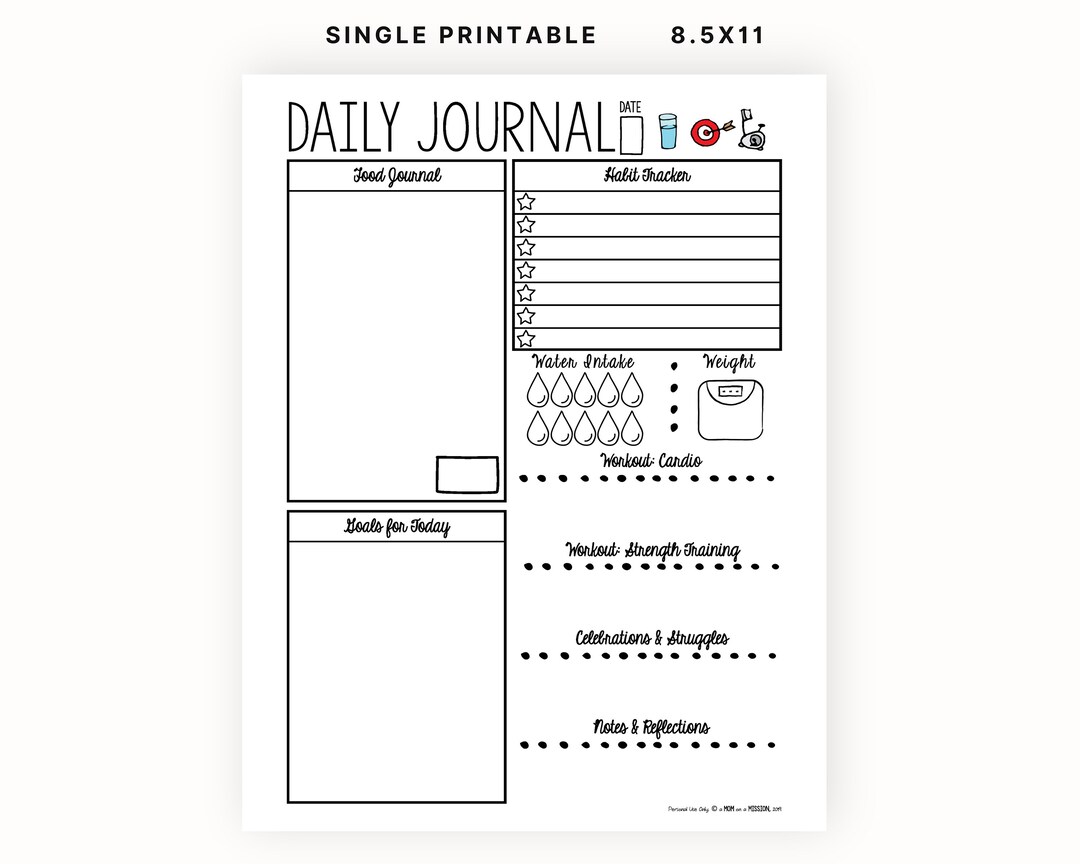
Tracking food intake during the transition phase helps identify personal maintenance calorie needs.
Adjust calories slowly post-diet using this framework. Week one: add 75 calories (maybe an extra apple). Week two: add another 75 calories (tablespoon of nut butter). Week three: add 50 more (half cup of rice). Continue until weight holds steady. This sustainable meal planning approach prevents the all-or-nothing mindset.
| Week | Calories Added | Total Increase | Example Food Addition |
|---|---|---|---|
| Week 1 | +75 | 75 | 1 medium apple |
| Week 2 | +75 | 150 | 1 tbsp almond butter |
| Week 3 | +100 | 250 | 1/2 cup cooked oats |
| Week 4 | +100 | 350 | 1 oz cheese + crackers |
| Week 5-8 | +50-100/week | 400-650 | Varied whole foods |
Can Mindful Eating Help Prevent Weight Regain?
Mindful eating after diet completion changes everything for many people. This intuitive eating approach teaches you to listen to your body. You eat when hungry. You stop when satisfied. No more clean-your-plate rules. No more eating while watching TV. Research from Harvard Medical School shows mindful eating reduces binge eating episodes by 60%.

Mindful eating practices help rebuild a healthy relationship with food after restrictive dieting.
The mindful food choices strategy involves several key practices. Eat without distractions—no phone, no computer. Chew each bite 20-30 times. Put your fork down between bites. Notice flavors and textures. Ask yourself halfway through: “Am I still hungry?” These simple techniques reduce calorie intake by 15-20% naturally.
Avoiding binge eating after diet requires understanding your triggers. Stress eating. Emotional eating. Boredom eating. Most binges happen not because of physical hunger. Keeping a mood-food journal helps identify patterns. When you feel the urge to binge, wait 10 minutes. Drink water. Go for a short walk. The urge usually passes.
- Eat at a table: Sitting down for meals increases awareness of food consumption
- Use smaller plates: Research shows plate size affects portion perception by 25%
- Serve food in kitchen: Family-style serving leads to 20% more eating
- Wait 20 minutes: Fullness signals take time to reach your brain
- Rate hunger 1-10: Eat at 3-4, stop at 6-7 on the hunger scale
Why Is Protein Important for Weight Stability?
Protein intake for weight stability matters more than most people realize. Protein keeps you full longer than carbs or fats. It requires more energy to digest—about 20-30% of protein calories get burned during digestion alone. This is called the thermic effect of food. Data from the American Journal of Clinical Nutrition shows high-protein diets increase daily calorie burn by 80-100 calories.
The recommended protein amount for weight maintenance sits between 0.7-1 gram per pound of body weight. A 150-pound person needs 105-150 grams daily. Spreading protein across meals works better than loading up once. Aim for 25-40 grams at each main meal. This keeps hunger hormones stable throughout the day.
Balanced macronutrients after diet should include protein at every meal. Good sources include eggs, chicken, fish, greek yogurt, legumes, and tofu. The quality matters as much as quantity. Complete proteins contain all essential amino acids. Combining plant proteins (rice + beans) works equally well for maintaining muscle mass.
| Protein Source | Protein per Serving | Calories | Benefit |
|---|---|---|---|
| Chicken Breast (4 oz) | 35g | 165 | Complete protein, low fat |
| Greek Yogurt (1 cup) | 20g | 130 | Probiotics, calcium |
| Eggs (2 large) | 12g | 140 | Choline, versatile |
| Salmon (4 oz) | 25g | 200 | Omega-3 fatty acids |
| Lentils (1 cup cooked) | 18g | 230 | Fiber, plant-based |
What Role Does Exercise Play in Maintaining Weight?
Increasing physical activity for weight maintenance stands as one of the most reliable strategies. The National Weight Control Registry tracks people who lost 30+ pounds and kept it off for 5+ years. Over 90% of these successful maintainers exercise about one hour daily on average. That might sound like alot but it includes walking too.

Various metabolic exercises help boost calorie burn and support weight maintenance efforts.
Resistance training to boost metabolism deserves special attention. Building muscle increases your resting metabolic rate. Each pound of muscle burns 6-10 calories daily at rest. Fat burns only 2-3 calories per pound. Gaining 5 pounds of muscle means burning 30-50 extra calories daily without doing anything. Over a year, that adds up to 3-5 pounds of fat loss.
Maintain exercise routine consistency matters more than intensity. A moderate workout you do five times weekly beats an intense workout you do once. Walking 30 minutes daily. Taking stairs instead of elevators. Parking farther from store entrances. These small habitual healthy habits compound over time. The key is making movement part of your identity.
- Strength train 2-3x weekly: Focus on compound movements—squats, deadlifts, presses
- Get 150+ minutes cardio: Brisk walking, cycling, swimming all count equally
- Increase daily movement: Aim for 8,000-10,000 steps minimum each day
- Try HIIT once weekly: Short bursts improve metabolic flexibility
- Prioritize consistency: Something beats nothing every single time
How Can I Avoid Yo-Yo Dieting Forever?
Preventing yo-yo dieting requires a mindset change first. Stop thinking about “going on” or “coming off” diets. There is no finish line. This is your life. The way you eat today should be sustainable for the next 50 years. If you cant imagine eating this way forever, the approach is wrong.
Avoiding weight cycling starts with realistic expectations. Aim to lose 0.5-1 pound per week maximum. Faster weight loss almost always rebounds. The psychological damage from restrictive mindset takes years to heal. A long-term eating plan should include foods you actually enjoy. Total restriction of favorite foods backfires eventually.
The 80/20 rule works well for most people. Eat nutritious whole foods 80% of the time. Allow treats and flexibility 20% of the time. This balanced food portions approach prevents feelings of deprivation. You can have pizza. You can have cake. Just not every day at every meal. Building lifestyle habits for weight control means making peace with food.
- Set process goals: Focus on behaviors (eat veggies daily) not outcomes (lose 20 lbs)
- Allow all foods: Forbidden foods become more desirable—remove the labels
- Eat enough: Under-eating triggers binge cycles inevitably
- Plan for setbacks: One bad meal doesnt ruin everything—move on
- Ditch the scale obsession: Daily fluctuations of 2-5 pounds are totally normal
How to Make a Lifestyle Shift Instead of Temporary Diet?
A lifestyle shift not temporary diet changes how you think about food entirely. Diets have start dates and end dates. Lifestyles dont. The question changes from “What can I eat on this diet?” to “What do I want my life to look like?” Nutrition education for maintenance helps you make informed choices rather than following rigid rules.
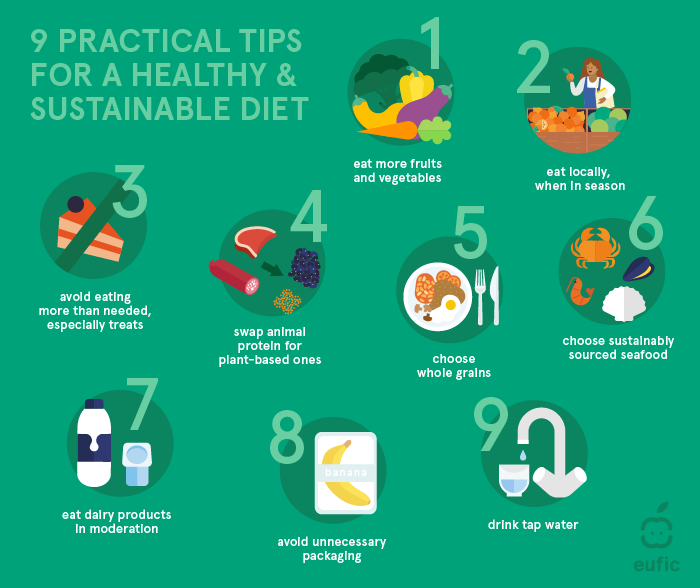
Sustainable eating tips from the European Food Information Council for long-term success.
Realistic lifestyle changes happen gradually. Pick one habit to change each month. Month one: eat protein at breakfast. Month two: add vegetables to lunch. Month three: walk 20 minutes after dinner. Stacking small changes creates massive transformation over time. This consistent healthy routine approach actually sticks unlike dramatic overhauls.
A healthy non-restrictive diet includes all food groups. Carbs are not evil. Fat does not make you fat. Sugar in moderation wont kill you. The dose makes the poison. A low-glycemic index meal plan helps stabilize blood sugar without eliminating entire categories. Focus on adding good stuff rather than removing bad stuff.
- Audit current habits: Track everything for one week without changing anything
- Identify one problem area: Pick the lowest-hanging fruit first
- Make it easy: Remove friction from good choices, add friction to bad ones
- Build identity: “I am someone who exercises” not “I have to exercise”
- Celebrate small wins: Acknowledge progress to reinforce new neural pathways
- Be patient: Habits take 66 days on average to become automatic
Do Support Systems Help with Weight Goals?
Support system for weight goals dramatically improves success rates. Data from the Journal of Consulting and Clinical Psychology shows people with social support lose 33% more weight and keep it off longer. Having someone to account to makes a huge difference. This could be a spouse, friend, coach, or online community.
Finding your support network takes some effort. Join fitness classes to meet like-minded people. Participate in online forums about healthy eating. Consider working with a registered dietitian for personalized guidance. Tell close friends and family about your goals. Research shows people who share their intentions publicly are 65% more likely to follow through.
Avoiding diet burnout requires emotional support too. Weight maintenance is hard. There will be difficult days. Having people who understand your struggles provides comfort. They can talk you through moments of weakness. They celebrate your victories. This emotional foundation makes the practical stuff easier to handle.
- Find an accountability partner: Weekly check-ins keep you honest and motivated
- Join a community: Online or in-person groups provide shared experience
- Educate your household: Family members should understand and support your goals
- Consider professional help: Therapists can address emotional eating patterns
- Build a healthy food environment: Remove temptations, stock nutritious options
Your 8-Week Implementation Timeline
Frequently Asked Questions
Sources and References
- Da Silva VR et al. “The effects of reverse dieting on mitigating weight regain.” Journal of International Society of Sports Nutrition. 2025 Aug 26;22(Suppl 2):2550185.
- Cleveland Clinic. “Does Reverse Dieting Work?” Health Essentials. 2024.
- Columbia University Irving Medical Center. “Yo-Yo Dieting Linked to Heart Disease Risk in Women.” 2019.
- National Institutes of Health. “Trajectory of body weight after drug discontinuation.” BMC Medicine. 2025.
- Nature. “The metabolic consequences of ‘yo-yo’ dieting.” International Journal of Obesity. 2024.
- Harvard T.H. Chan School of Public Health. “The Nutrition Source: Healthy Eating Plate.” 2025.
- American Heart Association. “Life’s Simple 7 Cardiovascular Health Metrics.” 2024.


One Comment