
Fast Weight Loss for Men to Fit Old Suit: Complete 2026 Plan
The mirror showed something familiar yet strange. That old suit hanging in the closet meant for the wedding next month did not look the same. The buttons strained. The shoulders pushed outward. The truth hit hard: gaining muscle mass over the years meant the old fit no longer worked.
Men face this problem more often than expected. A survey from 2025 showed that 45% of American adults planned to start a new diet that year. Many wanted to fit into clothes they once wore with pride. The problem was not knowing where to start or how much time the process would take.
💡 Looking for a Natural Weight Loss Supplement?
Many men combine these strategies with targeted supplements. Check out our detailed CitrusBurn Review to see if it could support your transformation journey.
This guide shows exactly how to lose weight fast enough to squeeze back into that old suit. The methods here work. They come from real research and from men who managed the same tight timeline. No fluff. Just practical steps.
Men typically lose about 1.7-2% of their body weight per week when following structured plans. That means a 200-pound man could drop 3-4 pounds weekly through proper diet and exercise. Over four weeks, that adds up to 12-16 pounds. Enough to notice the difference in how a suit sits across the shoulders and fastens at the waist.

A well-fitted suit changes how a man presents himself to the world
Understanding Why Weight Loss Matters for Suit Fit
A suit does not stretch. Unlike casual clothes with elastic waistbands, formal wear demands exact measurements. When the body changes, the suit does not adapt. This creates the squeeze that many men experience.
The structure of a suit includes several key areas that react to weight changes. The shoulders must align with the body’s widest point. The chest area needs room for breathing while maintaining shape. The waistband of trousers catches excess fat quickly. The arms of jackets show arm size changes immediately.
Body composition matters as much as the scale number. Two hundred pounds on a muscular frame fits differently than two hundred pounds with higher body fat. The goal should involve losing fat while maintaining muscle. This approach keeps strength up and ensures the suit fits with the right silhouette.
Setting Realistic Goals and Timelines
Goals need numbers. Without specific targets, progress becomes hard to track. The first step involves weighing current status and comparing it to the target.
Most men can safely lose 1.5-2.5 pounds per day during aggressive cutting phases. This rate comes from combining dietary restrictions with intense exercise. Over a two-week period, that translates to 21-35 pounds. Even conservative estimates at one pound daily still produce significant results over three weeks.
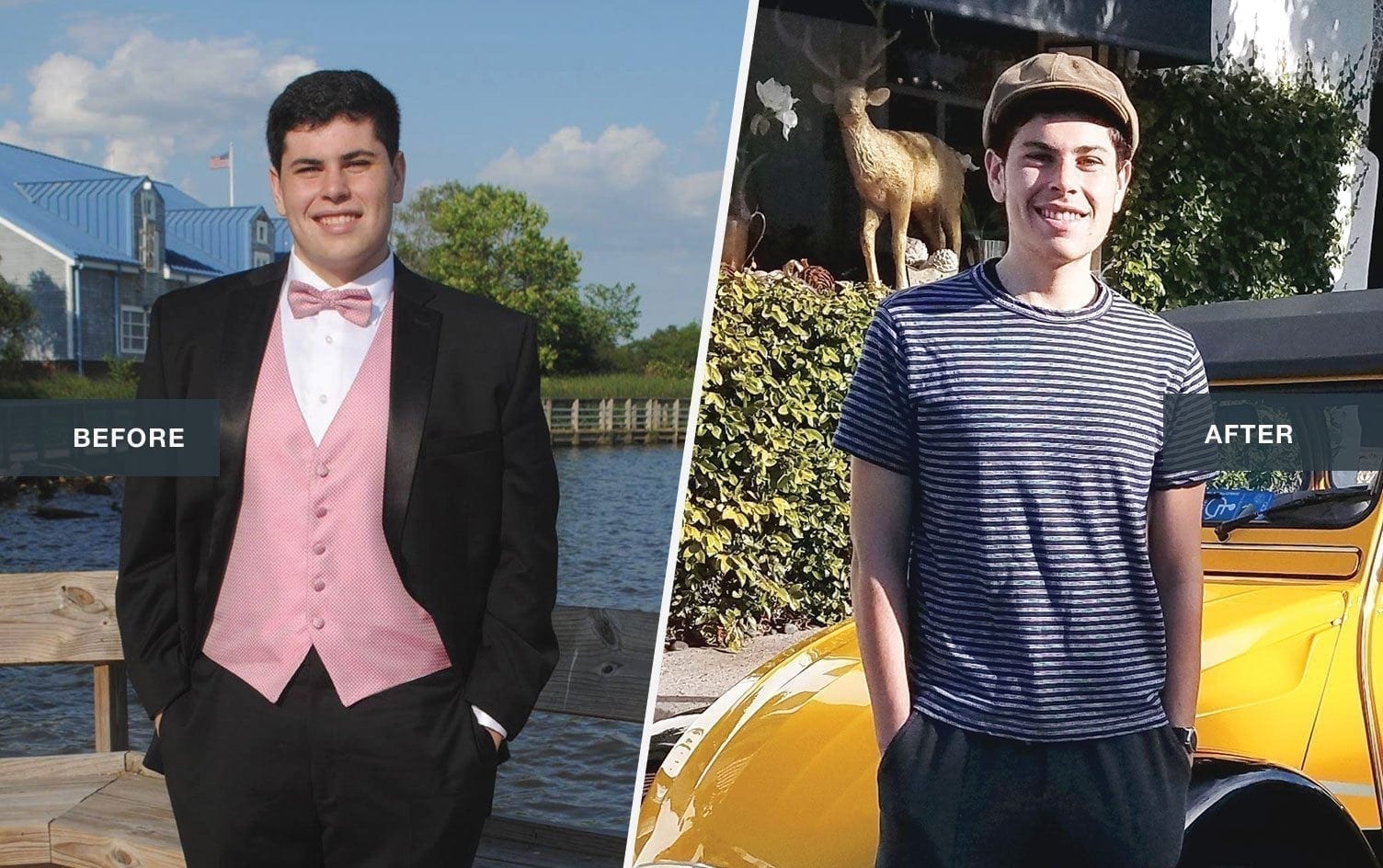
Consistent effort leads to visible transformation over weeks
A practical example helps illustrate the timeline. Consider a man needing to fit into a suit for an event six weeks away. Starting weight sits at 210 pounds. Target weight for the suit falls around 185 pounds. The gap equals 25 pounds. At two pounds weekly, this becomes achievable within the timeframe.
Breaking the goal into weekly chunks prevents overwhelm. Each week brings a small victory. The cumulative effect becomes dramatic by event day.
Key Measurement Changes
- 20 pounds lost = approximately one full suit size reduction
- Every 8 pounds = one inch reduction in waist circumference
- 3 inches off waist = noticeable fit improvement in trousers
Setting milestone markers keeps motivation high. A man starting at 220 pounds might mark 210 as the first goal. Then 200. Then 190. Each checkpoint provides a reason to try on the suit and measure progress against the actual goal.
The Nutrition Blueprint: What to Eat
Nutrition drives roughly 80% of weight loss results. Exercise matters, but food choices determine whether a caloric deficit occurs. Without this deficit, the body cannot access stored fat for energy.
Protein: The Top Priority
Men need about 1.2-1.6 grams of protein per kilogram of body weight daily. For a 90-kilogram man, that means 108-144 grams of protein each day. Sources include chicken breast, fish, lean beef, eggs, and Greek yogurt. Protein maintains muscle mass during caloric restriction. It also increases satiety, reducing hunger pangs that derail diets.
Carbohydrates: Focus on Complex Sources
Oatmeal, brown rice, sweet potatoes, and whole grain bread provide sustained energy. These foods release glucose slowly, preventing energy crashes that lead to cravings. Avoid simple carbs like white bread, pastries, and sugary drinks. These spike blood sugar and promote fat storage.
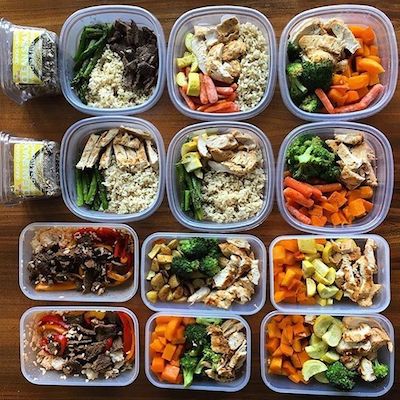
Prepared meals make sticking to nutrition goals much easier
Vegetables: Fill Half the Plate
Broccoli, spinach, kale, and peppers provide fiber and micronutrients. Fiber slows digestion and extends feelings of fullness. The low calorie density means large portions without excessive caloric intake.
Healthy Fats: Essential Despite Caloric Density
Avocados, nuts, olive oil, and fatty fish like salmon support hormone production and joint health. About 20-30% of daily calories should come from these sources.
Portion control creates the necessary caloric deficit. Even healthy foods contribute calories that add up. Using smaller plates, measuring portions, and tracking intake through apps or journals prevents accidental overeating.
The Exercise Strategy: Burning Fat Fast
Exercise accelerates weight loss beyond what diet alone can achieve. The combination of cardiovascular work and resistance training produces the fastest visible results.
.jpg?width=669&height=447&name=weight%20loss%20workout%20plan%20for%20men%20main%20(1).jpg)
A structured workout plan targets multiple muscle groups for maximum fat burn
Cardiovascular Exercise
Activities like running, cycling, swimming, and rowing expend energy rapidly. Men should aim for 150-300 minutes of moderate cardio or 75-150 minutes of vigorous cardio weekly. This guideline from the American College of Sports Medicine creates a significant caloric deficit when combined with diet.
High-Intensity Interval Training (HIIT)
Short bursts of intense effort followed by brief recovery periods elevate metabolism for hours after the workout. A 20-minute HIIT session can burn as many calories as 40 minutes of steady-state cardio. The afterburn effect, technically called excess post-exercise oxygen consumption, prolongs calorie burning.
Resistance Training
Compound movements like squats, deadlifts, and bench press engage multiple muscle groups simultaneously. They maximize efficiency while preserving muscle mass during caloric restriction.
Circuit Training
Moving between exercises with minimal rest keeps heart rate elevated while building strength. This approach works well for men with limited time for gym sessions.
Managing Stress for Better Results
Chronic stress elevates cortisol, a hormone that promotes fat storage, particularly around the midsection. Managing stress supports both mental well-being and physical goals.
High-intensity training and restrictive diets themselves create stress on the body. Balancing aggressive fat loss phases with recovery periods prevents burnout. The goal involves sustainable intensity, not maximum effort every single day.
Social support influences weight loss success. Men who share goals with friends or partners show higher adherence rates. Having someone to exercise with or to hold accountable creates external motivation that complements internal drive.
Timeline Breakdown: Week by Week Plan
Understanding what to expect week by week helps men stay committed. The body changes occur in recognizable patterns.
Week 1: Foundation Phase
Initial weight loss comes quickly through water loss and reduced glycogen stores. Men often lose 3-5 pounds this first week. Focus shifts to establishing new eating patterns and starting moderate exercise. The body experiences some fatigue as it adapts to new fuel sources.
Week 2: Adaptation Phase
Metabolism begins adjusting to the caloric deficit. Hunger may peak around day 10-12 before leveling off. Exercise intensity can increase as the body adapts to new demands. Weight loss continues at 2-3 pounds weekly pace.
Week 3: Established Phase
New habits feel more natural. Men report reduced food cravings and more energy. This phase often brings noticeable changes in how clothes fit, particularly around the midsection. Progress becomes visible to friends and family.
Week 4+: Refinement Phase
Weight loss continues at steady pace. Focus shifts to fine-tuning nutrition and exercise. This phase often includes trying on the target suit to assess remaining gap. Small adjustments to macros or exercise intensity optimize results for event day.
Common Mistakes to Avoid
Certain patterns consistently undermine weight loss efforts. Recognizing these traps prevents wasted effort.

Maintaining strength training preserves muscle mass during caloric deficit
Crash Dieting Without Protein Focus
Extremely low-calorie diets without adequate protein cause muscle loss. The resulting body composition changes make weight loss less visible. Maintaining protein intake even during aggressive deficits preserves metabolic rate and appearance.
Overtraining Without Recovery
Daily intense exercise without rest days causes fatigue, injury, and hormonal imbalance. The body requires time to repair and adapt. Two to three rest days weekly support long-term progress.
Neglecting Progressive Overload
Doing the same workout routine repeatedly reduces results. The body adapts to familiar stimuli. Increasing weight, reps, or sets over time maintains progress and prevents plateaus.
Relying on Exercise Alone
Diet creates most of the caloric deficit. Exercise supports but cannot compensate for poor food choices. Men who track intake carefully see better results than those relying on gym sessions alone.
💊 Want to Boost Your Results Naturally?
Explore how citrus-based supplements can support your weight loss goals. Read our complete CitrusBurn Review to learn more about this popular option.
Final Thoughts
That old suit in the closet does not have to stay a distant memory. Men who implement these strategies see real changes within weeks. The combination of strategic nutrition, targeted exercise, proper hydration, and quality sleep produces consistent results.
The path requires commitment, but the destination remains achievable. Each pound lost brings the suit closer to fitting properly. Each workout strengthens the body beneath the fabric. The effort compounds into transformation visible on event day.
Start today. Weigh in, set the target, and begin tracking. The man in that mirror deserves to see someone who took control. Six weeks from now, that old suit buttons cleanly. The reflection shows what became possible through focused action.
📚 Continue Learning
For more strategies on natural weight management and supplement reviews, explore BioFriction CitrusBurn Review and other resources on our site.
Sources
- Men’s Journal – How to Get in Shape for a Wedding
- Coach Web – How to Fit Into Your Wedding Suit
- cuttingroombespoke.com – When to Buy Your Wedding Suit While Getting Fit
- Reddit r/AskMen – Men Who Lost Noticeable Weight Workout Routine
- American College of Sports Medicine – Physical Activity Guidelines
- Journal of Nutrition – Meal Timing and Weight Management
- Obesity Journal – Water Consumption and Weight Loss
Frequently Asked Questions
Men can lose 5-15 pounds in two weeks through aggressive caloric restriction combined with intense exercise. The exact amount depends on starting weight, adherence to diet and exercise, and individual metabolism. Most men can target 2-3 pounds daily during the first week and 1-2 pounds daily in the second week.
High-intensity interval training burns the most fat in shortest time. Exercises like burpees, mountain climbers, and sprint intervals maximize caloric expenditure. Combining this with strength training preserves muscle while accelerating fat loss. Walking provides steady fat burning without excessive fatigue.
Poor sleep increases hunger hormones and decreases fullness hormones. Men sleeping less than 7 hours nightly lose less fat and lose more muscle compared to those getting adequate rest. Sleep also affects recovery from exercise, influencing the ability to maintain training intensity.
Processed foods, sugary drinks, alcohol, and refined carbohydrates should be minimized. These items provide excessive calories with minimal satiety. Fast food, pastries, and beer contribute significant calories without supporting muscle preservation or metabolic health.
Track body measurements alongside weight. If waist circumference decreases while the scale shows weight loss, fat is being burned. Decreased strength or endurance also signals muscle loss. Maintaining protein intake and resistance training prevents this issue.
Resistance training first preserves muscle mass and elevates metabolism. Performing cardio after weights depletes glycogen stores, increasing fat utilization during cardio. This order optimizes both muscle preservation and fat burning.
Six months provides ideal timeline for significant transformation. Three months allows meaningful change for moderate goals. Six weeks can produce dramatic results with aggressive protocols. Even four weeks creates visible improvement, particularly in how clothes fit.
